A Blue Zone is a term coined by New York Times bestselling author Dan Buettner. It describes a place where people live longer and enjoy better healthwell into old age. Traditional blue zones like Okinawa and Sardinia, are places with healthy diets and lifestyles that result in a high concentration of centenarians.
In his Netflix documentary ‘Live to 100: Secrets of the Blue Zones’, Buettner concedes that some the healthy lifestyles traditionally adopted by the Blue Zones are disappearing, as current generations adopt modern practices such as becoming more sedentary / solitary, and eating at fast-food chains. He hopes we can work to create new Blue Zones, places where policy can shape a healthier environment – which is why he recently named Singapore as a Blue Zone 2.0 or an “engineered” Blue Zone. Unlike traditional Blue Zones, where longevity is rooted in centuries of history, culture, and tradition, Singapore’s Blue Zone status is the result of planning, legislation and deliberate changes made through policy.
At a symposium for successful ageing on October 12th 2023, Health Minister Ong Ye Kung said that Singapore should strive to be a Blue Zone 3.0. Effecting a fundamental change in people’s ways of life would take it beyond its current Blue Zone 2.0 status.
Prof. Andrea Maier, founder of Chi Longevity, thinks this is possible, saying that Singapore is the only country she knows of where health guidelines can be effectively implemented nationwide. She said in a recent CNA interview: “Singapore can really be the country to implement what we already know and what the World Health Organization already has in the guidelines, and be at the forefront of evaluating what effect (the guidelines have) because we have the capacity to measure it … Let’s lead by example.”
Singapore does well on several measures of health. Life expectancy here has climbed 20 years since the 1960s. The Global Burden of Disease 2019 study ranked Singapore first worldwide for both life expectancy and, most importantly, healthy life expectancy, ahead of Japan. However, there is still much to do if it is to achieve the Blue Zone 3.0 goal. Mr. Ong pointed out that the average Singaporean experiences approximately 10 years of poor health before reaching the age of 84, the average lifespan in the country. The average period of healthy living, or healthspan, is only 74 years.
In an effort to bridge the gap between lifespan and healthspan, Singapore has implemented national initiatives like Healthier SG. This programme presents a shift towards disease prevention and is designed to promote behavioural changes by encouraging individuals to establish a lasting relationship with a family physician, discouraging doctor-hopping, and working collaboratively with their physician to create a personalised health plan. Other initiatives include programmes to tackle lifestyle habits – sodium and sugar reduction strategies for example, as well as designing new towns that promote healthy living by encouraging residents to move more and engage socially.
For Professor Maier, a Blue Zone 3.0 Singapore would include more green areas to prompt exercise and better access to healthy food options. Nutrition and exercise are known to play a key role in healthy longevity. Exercise can help guard against age-related cognitive decline by improving blood flow and oxygen to the brain, and regular weight training can combat the decrease in muscle mass and strength that occurs naturally. It is wide recognised that a balanced diet that includes a variety of fruits, vegetables, whole grains, lean proteins, and healthy fats can help prevent chronic diseases. Healthy eating can help reduce visceral fat of which excess amounts can lead to an increased risk of heart disease and diabetes, two of the biggest killers in Singapore. In a recent comment to Central News Asia, Prof Maier commented on Singapore’s hawker food culture, saying: “Imagine if hawkers would sell healthy food, how much impact that would have for the health of an entire nation? If Singapore can establish healthier hawker food, we will not have hyperlipidemia and so much diabetes.”
Prof. Maier also recommends taking note of other key lifestyle factors such as sleep, which also impacts healthy lifespans. She points out that insufficient sleep can add to the risk of developing diabetes, dementia, and mental health problems. “We are focusing very much on physical activity, which is great. But I think focusing also on sleep, which is surrogate to how you feel and how well you reset, is very important,” she said.
Lastly, the professor recommends getting to know an individual’s unique biology so that their healthcare recommendations are tailored to them. By using modern diagnostic techniques, it’s now possible to manage the body, mind and environment connection, and act before chronic disease takes hold. As she puts it: “Why should we wait until individuals develop chronic diseases? We are at a stage now where we have lots of insight into why we age; we have the diagnostics to measure how old somebody is and why a person is ageing faster compared to another; and we have the interventions in place to make one younger.”
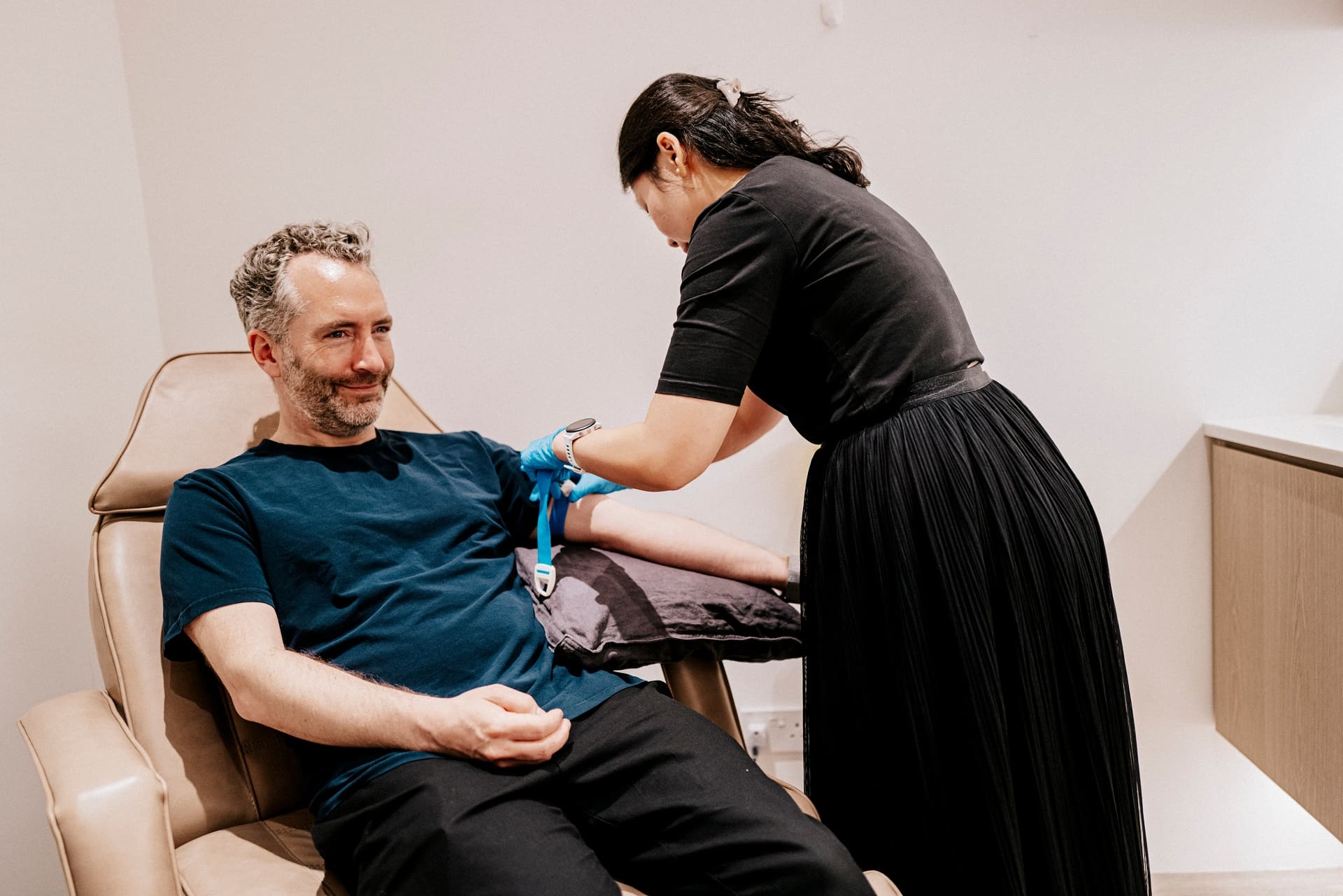
At Chi Longevity, we use the latest diagnostics including genetic, epigenetic, metabolic, inflammation andmicrobiome measures or “clocks” — to identify your biological age before formulating a bespoke treatment plan. These interventions include geroprotectors (protection from ageing), specialised therapeutics, supplements and personalised lifestyle modifications based on your unique clinical, molecular, and epigenetic fingerprint. To maximise results, we regularly remeasure your biological age and adapt the interventions accordingly.
If you want to increase your understanding of your unique biology and manipulate it to achieve optimal healthy longevity, contact us.